
We asked for your support to raise £750,000 to improve cancer services at Bedford, and we received it. Every single penny donated to this appeal went directly to making a difference to cancer services at Bedford Hospital.
The appeal was launched on 26 September 2014 and was called The Challenge Cancer Appeal. It was completed on 31 December 2016.
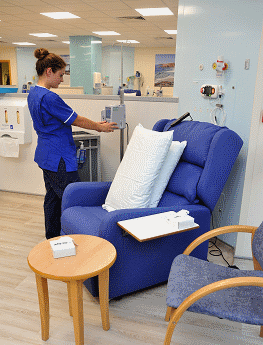
We spent two thirds of the money improving services at the Primrose Unit:
- By extending the Primrose Unit to make room for four more much-needed chemotherapy treatment stations
- By linking the Primrose Unit to the chemotherapy preparation area of the Pharmacy Department
- By making internal alterations to increase the capacity of the Primrose Unit.
The remainder of the money was spent on purchasing new specialist equipment for diagnosing gynaecological cancer.
Building work on the final phase was started in May 2016 and the chemotherapy extension was officially opened by the Lord Lieutenant of Bedfordshire, Helen Nellis, on 20 October. Earlier, the Hysteroscopy Sevice had been inaugurated, also funded by the Challenge Cancer appeal. In all, £750,000 had been raised and £750,000 spent on improving cancer services for the people of Bedford. Mission accomplished!
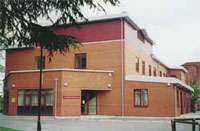 The intention was to create a centre that would provide facilities not only for the clinical treatment of cancer, but also for all the support services for patients. Chemotherapy was already given on an outpatient basis, as were transfusions and other treatments and procedures. Radiotherapy, however, would continue to be provided at Addenbrooks Hospital in Cambridge.
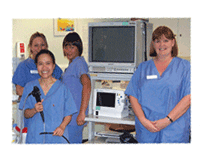 In 2007, the Charity launched the Cancer Screening Appeal. Regular bowel screening using endoscopes has been shown to reduce the risk of dying from bowel cancer by 16%. Endoscopes are long flexible tubes through which pictures can be transmitted to a screen. With endoscopes it is possible to see inside many parts of the body without the patient having to undergo an operation. Many procedures can be carried out through the scopes and newer instruments are smaller and more easily guided which ensures greater patient comfort and makes them more versatile for diagnosis and treatment.